3D Printing Plastics
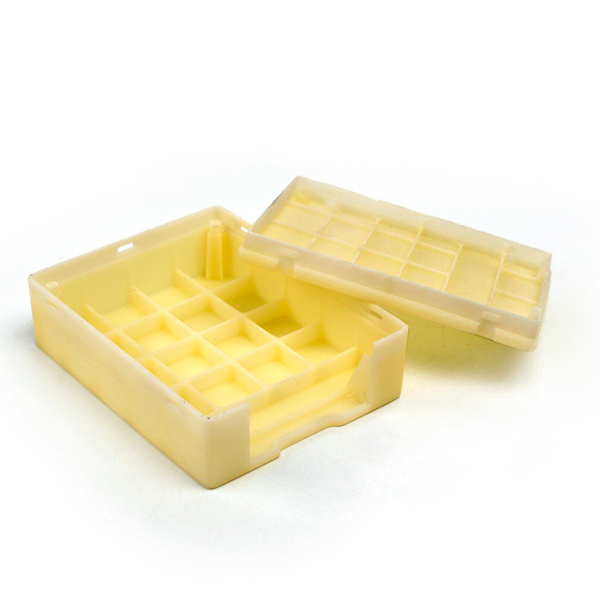
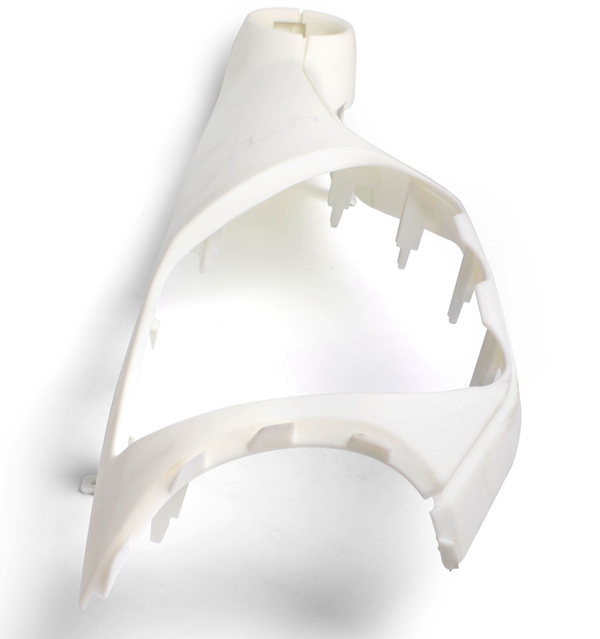
3D Printing Plastics, in the realm of additive manufacturing, encompass a diverse range of plastic materials employed for layer-by-layer construction of objects in three-dimensional printing processes. Through the meticulous addition or solidification of plastic layers, complex three-dimensional shapes and structures are formed. 3D printing technology has found extensive applications across various sectors, including manufacturing, healthcare, aerospace, automotive, consumer goods, and more. The choice of 3D printing plastics hinges on specific requirements such as desired physical properties, durability, transparency, high-temperature resistance, and more. Common types of 3D printing plastics encompass various plastic materials like ABS, PLA, PETG, and more, which find utility in creating prototypes, models, toys, and consumer products. Additionally, materials like nylon offer high strength and wear resistance, making them suitable for producing mechanical parts and durable functional components. Polycarbonate, known for its exceptional high-temperature resistance and impact resistance, often finds applications in automotive parts and industrial uses, while polyamide materials are favored for their high wear resistance, ideal for manufacturing sliding parts and wear-resistant components. Flexible plastics such as TPE and TPU cater to the production of rubber-like parts, shoes, seals, and more. The flexibility to choose from various 3D printing plastics enables adaptability to diverse design and engineering needs, rendering 3D printing a versatile manufacturing method.
The selection of 3D printing plastics is pivotal, guided by the specific demands of individual projects, including factors like strength, durability, temperature stability, and the intended end-use of the final product. This versatility makes 3D printing an agile manufacturing technique, if you have a spectrum of design and engineering requisites for industries and applications, 3D Printing Plastics can be a nice choice.